Art, Gastronomy, and Interior Design on Passeig de Gràcia
The new boutique hotel occupies a historic building just steps away from Casa Batlló
A New Urban Club with a Barcelona Identity
Barcelona adds a new address to its luxury hotel landscape. The five-star, 64-room Hotel Club 29 brings together original art, interior design by Jean Porsche, and signature gastronomy on Passeig de Gràcia. The project aims to appeal to both travelers and the local crowd.
An Address Tied to 1929 Barcelona
17/11/26
Hotel Club 29 marks Hidden Hotels’ debut opening in Barcelona. The property occupies a historic building on Passeig de Gràcia, just steps from Casa Batlló, featuring 64 rooms and a five-star rating.
The number 29 holds special meaning in the project’s narrative. During the urban expansion of the Eixample district,streets were numbered before receiving their current names, and number 29 corresponded to what is now Passeig de Gràcia. The year 1929 also forms part of the hotel’s conceptual inspiration, drawing on references to a Barcelona defined by architecture, culture, and urban transformation.
The concept seeks to reinterpret that era through a contemporary aesthetic. While the idea of a private club shapes the layout of the spaces, it is not conceived as an exclusive enclave. Instead, the goal is to foster a welcoming atmosphere where hotel guests and Barcelona locals can mingle, away from the bustle of the city’s most crowded areas.
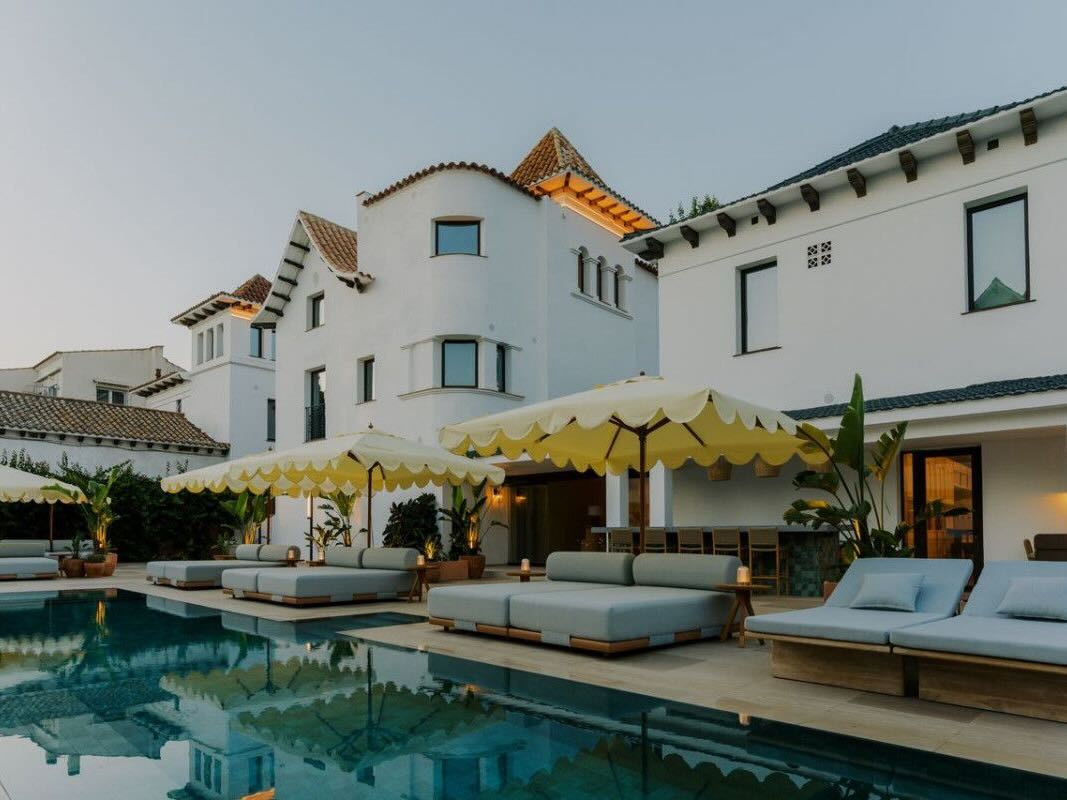
This vision extends to the common areas, interior courtyards, terrace, and wellness space. The objective is for the hotel to serve as an urban destination in its own right, rather than merely a place to stay.
Jean Porsche Signs His First Hotel
Interior design is one of Club 29’s defining features. The project is signed by Jean Porsche, an architect and interior designer renowned for his work on high-end restaurants and luxury residences, including Coque, Lú, and Baoli. Club 29 represents his first hotel interior design project.
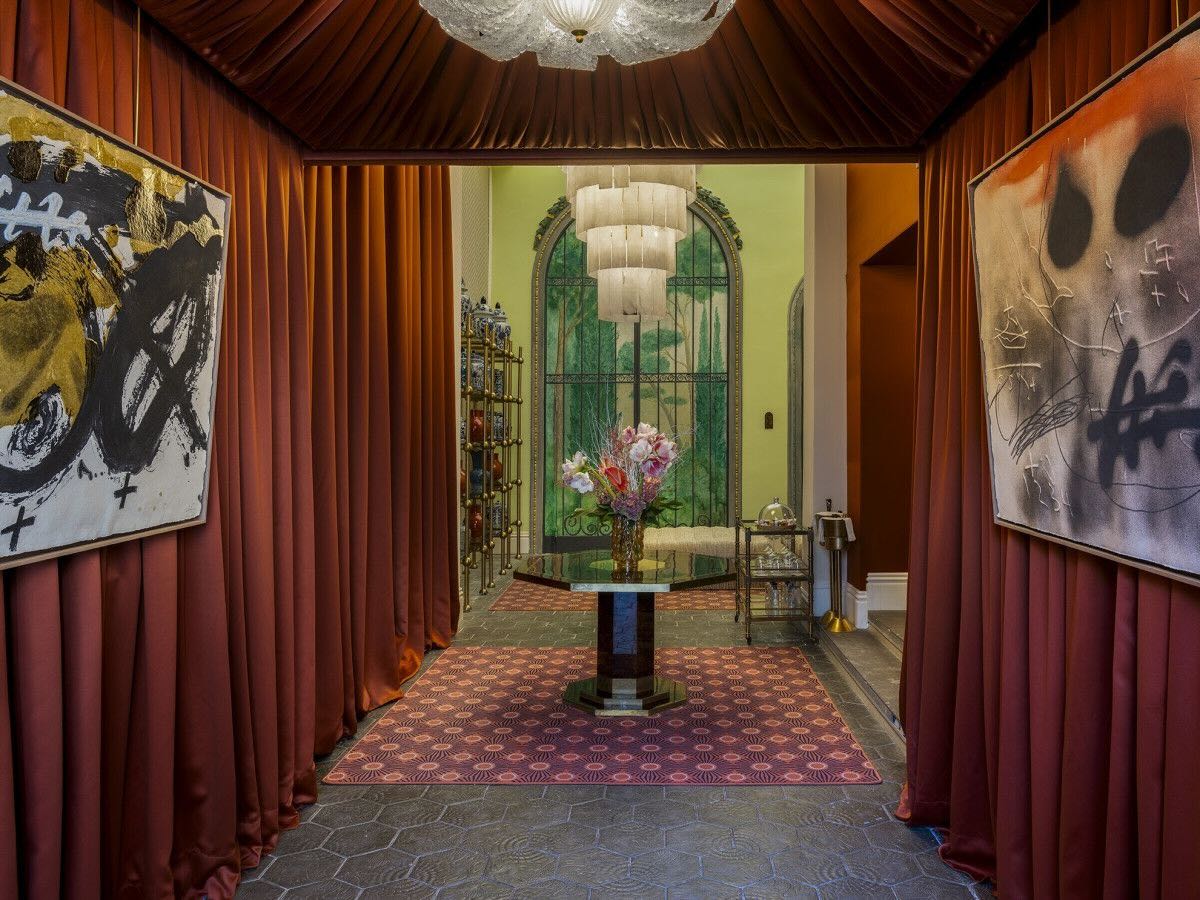
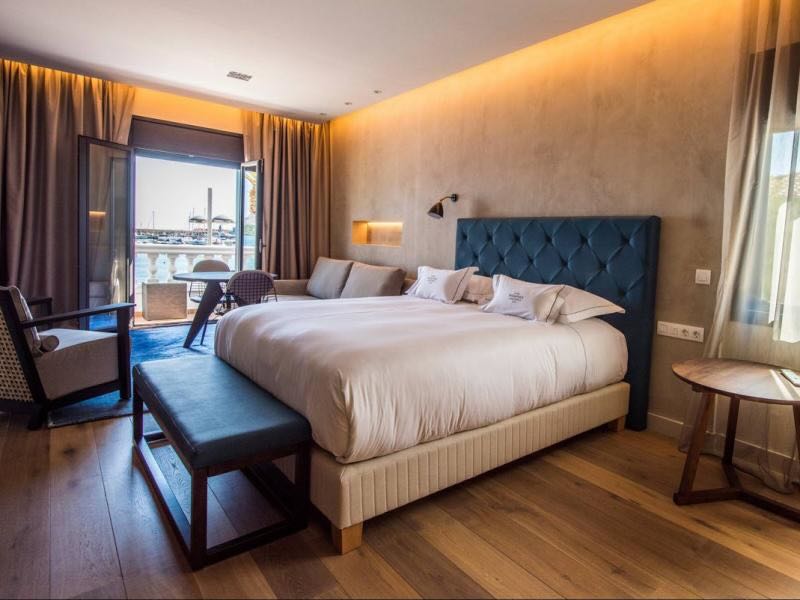
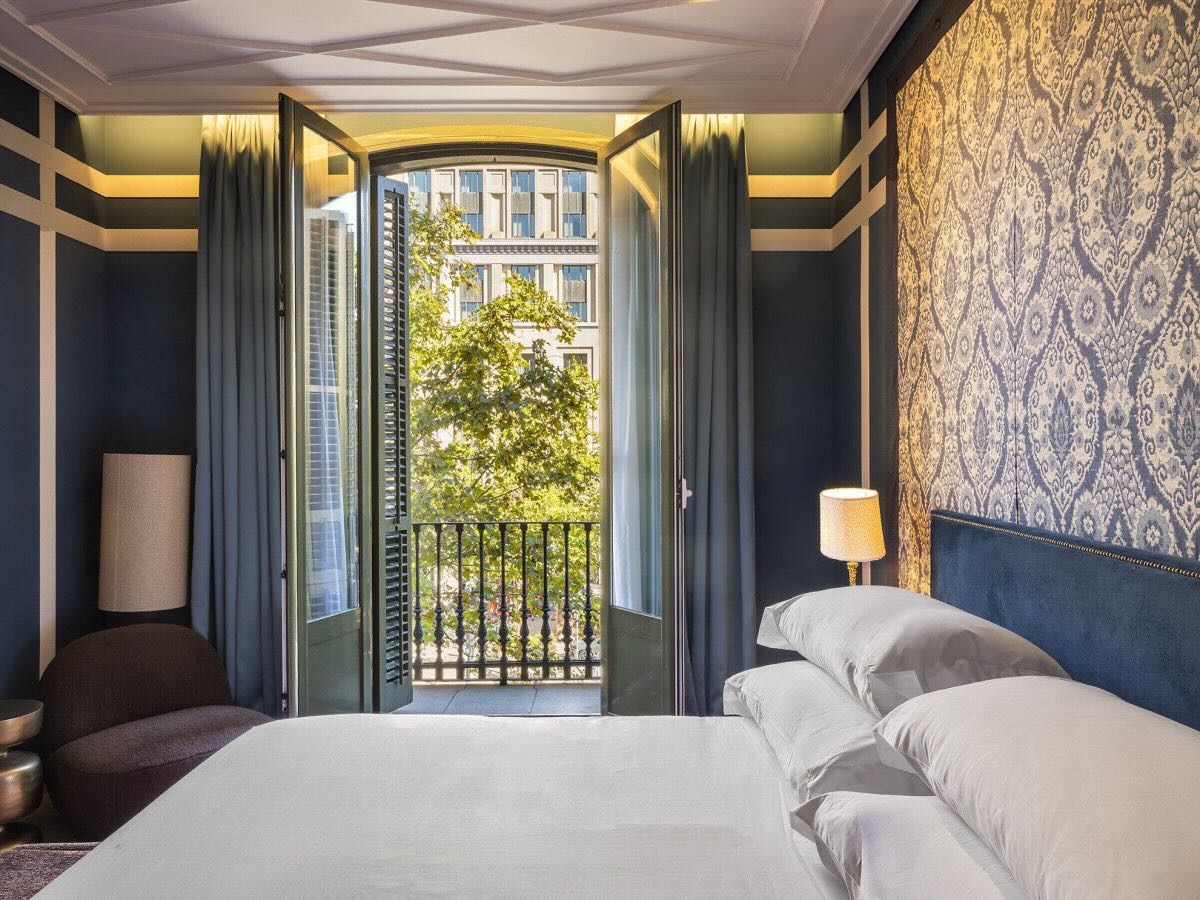
The decor blends fabrics, colors, and patterns with nods to late-1920s interiors. Guest rooms feature mosaic floors, stained-glass windows, balconies, and large casement windows, alongside period details such as vintage-style light switches and fixtures. These elements coexist seamlessly with modern amenities.
Service is also designed to stand out through thoughtful touches of personalization. Rooms are equipped with Wolstton coffee makers and specialty coffee, curated minibars, a pillow menu, and L’Occitane amenities—even the Charlotte Chocolate cookies are gluten-free. The arrival experience is rounded out with a bespoke fragrance created in collaboration with the French brand.
Art plays a central role in the property’s identity. Displayed in the entrance are pieces from the private collection of the Jiménez Cordón family, owners and founders of Hidden Hotels. The selection includes two original works by Antoni Tàpies, a 1973 tapestry by Salvador Dalí, and a 1988 engraving by Josep Guinovart.
The project also plans to incorporate a piece by Joan Miró, currently on loan for an exhibition at the Aram Museum in Goyang, South Korea. This artistic presence infuses the club concept with cultural substance and sets the hotel apart from properties focused solely on design and service.
Els Cavalls and L’Orangerie Open the Hotel to Barcelona
Gastronomy is another cornerstone of the project. Chef Pau Gasco takes the culinary helm with the ambition of reviving the prestige of classic hotel dining—an approach that champions the historic role played by the restaurants and bars of Europe’s grand hotels.
The culinary offering revolves around Els Cavalls, the hotel’s flagship restaurant, alongside a signature cocktail bar complete with a fireplace and a counter conceived as a social gathering point. The terrace, tucked into a characteristic Eixample interior courtyard, offers an outdoor retreat sheltered from the buzz of Passeig de Gràcia.
One of the most compelling draws for locals is L’Orangerie, a space open to everyone where guests can enjoy the hotel’s culinary offerings throughout the day. This format extends the property’s pulse beyond overnight guests and reflects a growing trend among urban hotels: weaving dining, mixology, and social spaces into the fabric of city life.
The interplay of art, interior design, and gastronomy positions Club 29 in a segment where a hotel’s value increasingly hinges on its distinct identity and ability to attract diverse audiences.
Gourmenials Signature
Hotel Club 29 exemplifies the evolution of urban luxury hospitality toward properties designed to be destinations in their own right. Differentiation no longer rests solely on room count or official star ratings, but on bringing culture, design, gastronomy, and social life together under one roof. The challenge lies in turning this sum of attributes into a cohesive experience that resonates just as strongly with Barcelona residents.
+ info
web >>> hiddenhotels.com/hotel-club-29
instagram >>> .instagram.com/hiddenhotels_
GOURMENIALS+